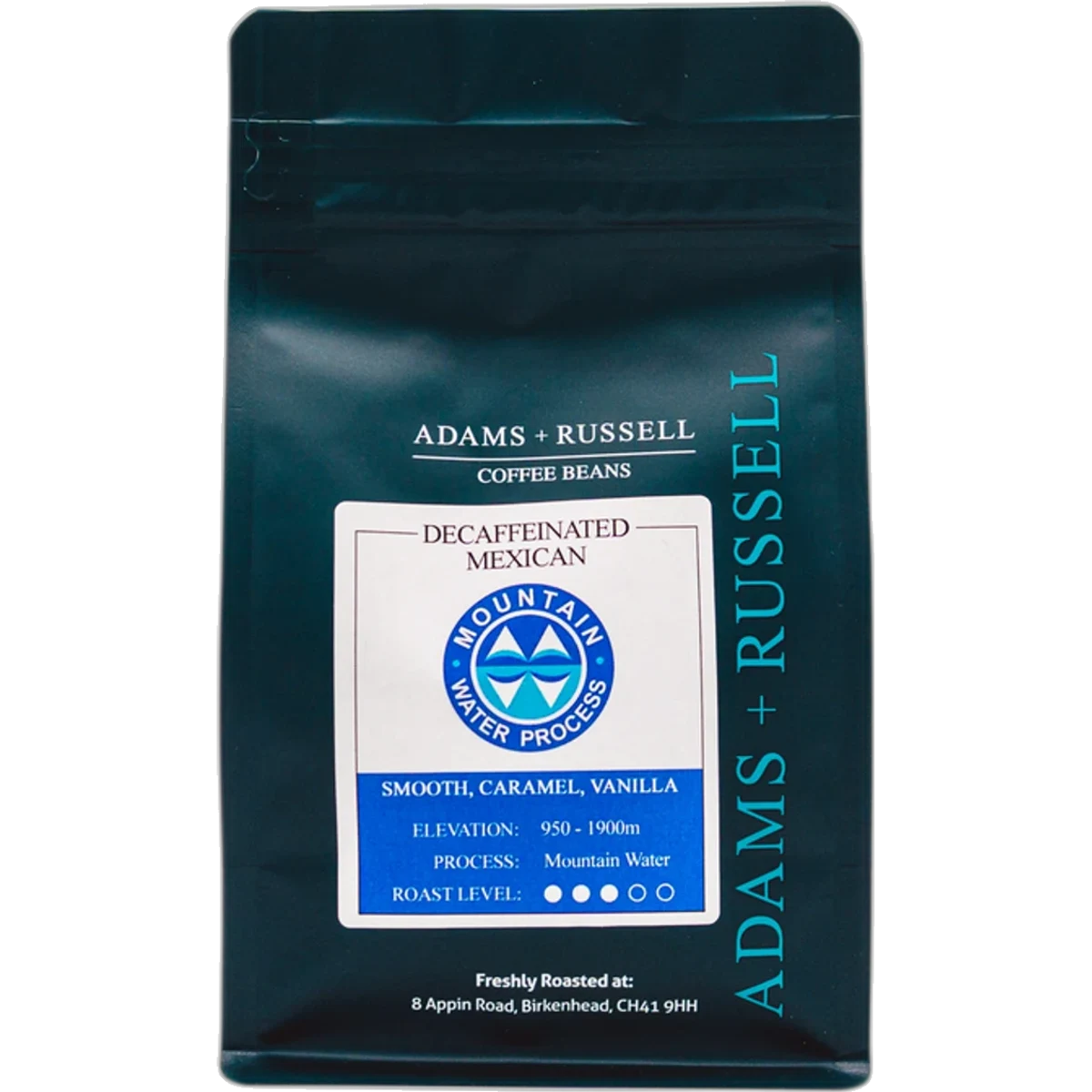
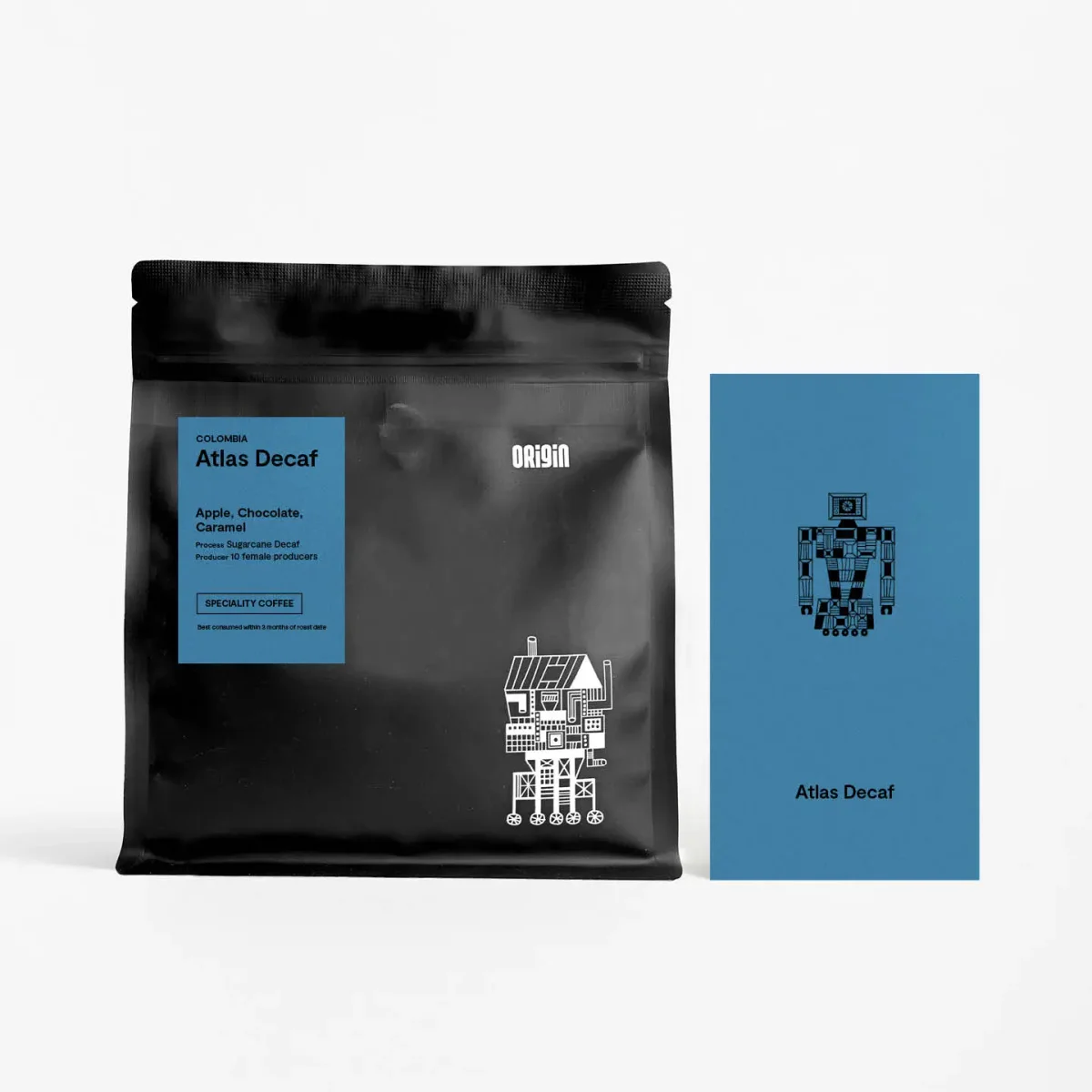
Many people believe that consuming decaf coffee can make them feel tired, even if they drink it hours before bedtime. This is because coffee can stay in the body for a long time, and the half-life of caffeine can take 3-7 hours to be eliminated. However, caffeine affects individuals differently, and some people may experience side effects such as drowsiness and fatigue from drinking coffee. The reasons for feeling sleepy after consuming coffee include the inhibitory effects of caffeine on adenosine, the diuretic effects of coffee, the impact of coffee sweeteners on blood sugar levels, tolerance to caffeine, the presence of toxins in coffee beans, and the role of decaf coffee in reducing stress.

Key Takeaways:

  • Decaf coffee contains minimal amounts of caffeine, which may result in less fatigue compared to regular coffee.
  • Caffeine inhibits adenosine, a chemical that regulates sleep, leading to increased alertness and wakefulness.
  • Coffee acts as a diuretic, increasing urine production and potentially leading to dehydration and fatigue.
  • Sweeteners in coffee can cause blood sugar spikes and crashes, resulting in drowsiness and mood changes.
  • Tolerance to caffeine can develop over time, diminishing its effects on energy levels.

The Inhibitory Effects of Caffeine on Adenosine

Caffeine has a profound impact on the sleep system as it inhibits the action of adenosine, a chemical produced by the nervous system that helps regulate sleep. When adenosine binds to brain receptors, it energizes them and relaxes the body. However, caffeine effectively blocks this process by binding to the same receptors, preventing them from being energized and promoting wakefulness instead. This mechanism can lead to increased alertness and a temporary reduction in feelings of fatigue.

Within approximately 45 minutes of consuming caffeine, the effects can be felt, and they can last for several hours. During this time, adenosine levels may continue to rise in the body, causing fatigue to set in once the effects of caffeine wear off. This can explain why some individuals feel tired after the initial energy boost provided by coffee.

effects of caffeine on brain receptors

“Caffeine effectively blocks the action of adenosine, promoting wakefulness and alertness.”

The inhibitory effects of caffeine on adenosine play a significant role in the perceived impact of decaf coffee on energy levels. Even though decaf coffee contains significantly less caffeine than regular coffee, it can still have some stimulating effects due to its ability to inhibit adenosine. It is important to note that the exact impact of caffeine on individuals can vary, as some people may be more sensitive to its effects than others.

The Diuretic Effects of Coffee

Coffee is known for its diuretic properties, meaning that it can increase urine production and lead to dehydration if consumed excessively. When you drink coffee, the caffeine content stimulates your kidneys to produce more urine, which can result in fluid loss from the body. This, in turn, can cause dehydration, leading to fatigue and constant tiredness.

Dehydration affects the body’s ability to maintain proper blood pressure levels, which can further contribute to feelings of fatigue. It’s important to note that coffee is not a substitute for water and should not be relied upon as a primary source of hydration. To maintain optimal hydration levels, it is recommended to balance coffee consumption with an adequate intake of water.

  • For men: 13 cups (3 liters)
  • For women: 9 cups (2.2 liters)

By ensuring you drink enough water throughout the day, you can counteract the diuretic effects of coffee and help prevent dehydration-related fatigue. Remember, staying hydrated is essential for overall well-being and energy levels.

Men Women
Recommended Daily Water Intake 13 cups (3 liters) 9 cups (2.2 liters)

Dehydration can have a significant impact on your energy levels, so it’s important to prioritize hydration alongside your coffee consumption. Remember, moderation is key, and listening to your body’s cues for thirst can help you maintain optimal hydration levels.

coffee as a diuretic

Coffee Sweeteners and Blood Sugar Levels

When it comes to enjoying a cup of coffee, some people prefer to sweeten it with whipped cream, flavored syrup, or honey. However, it’s important to be aware of the potential effects of these coffee sweeteners on blood sugar levels. Consuming excessive amounts of sugar in a single food, such as a sweetened coffee, can lead to a spike in blood sugar levels, followed by a crash. This sugar crash can cause drowsiness, mood changes, hunger pangs, and even anxiety.

To avoid experiencing a sugar crash after your coffee indulgence, it is recommended to limit the amount of sugar added to your coffee and other sugar-sweetened beverages. Opting for healthier alternatives like stevia or unsweetened almond milk can help reduce your sugar intake while still adding flavor to your coffee. By making these small adjustments, you can enjoy your cup of joe without the negative effects of excessive sugar consumption.

Understanding how coffee sweeteners can influence blood sugar levels is crucial, especially for individuals who are concerned about maintaining stable energy levels throughout the day. By being mindful of your sugar intake and opting for healthier alternatives, you can avoid the dreaded sugar crash and maintain a steady flow of energy to power through your day.

coffee sweeteners and blood sugar

Tolerance to Caffeine

As individuals consume caffeine regularly, their bodies can develop a tolerance to its effects. This occurs because the body may produce more adenosine receptors to counteract the stimulating effects of caffeine. However, the extent to which caffeine tolerance develops can vary among individuals. Some people may experience a decrease in the energizing effects of caffeine over time, while others may not notice a significant change.

Research has shown that regular coffee consumption does not significantly alter the body’s metabolism rates. This means that individuals who regularly consume coffee are not likely to experience a significant increase or decrease in their overall energy levels due to caffeine tolerance alone. Other factors, such as the quality and quantity of sleep, overall health, and lifestyle choices, can also impact energy levels.

It’s worth noting that coffee itself can contain toxins, such as mycotoxins, which may contribute to feelings of fatigue. These toxins can be present in both regular and decaf coffee. Therefore, if you’re experiencing persistent fatigue despite regular coffee consumption, it may be worth exploring other potential causes and seeking medical advice if necessary.

Effect of Caffeine on Adenosine Receptors

Caffeine works by binding to adenosine receptors in the brain, preventing adenosine from having its usual calming effect on the body. This leads to increased wakefulness and alertness. Over time, the body may respond to the frequent presence of caffeine by producing more adenosine receptors, leading to a reduced response to caffeine’s stimulating effects.

While tolerance to caffeine can develop, it’s important to remember that individual sensitivity to caffeine can also vary. Some people may be more sensitive to caffeine’s effects, even with regular consumption, while others may not notice significant changes. It’s always helpful to pay attention to your own body’s response to caffeine and make adjustments as needed to maintain a healthy balance.

Decaf Coffee and Stress Reduction

Decaf coffee has been found to have potential stress-reducing effects. Research suggests that it can help lower the production of stress hormones such as cortisol and epinephrine, which are responsible for triggering the body’s “fight or flight” response during periods of stress.

When we experience stress, cortisol and epinephrine levels rise, leading to increased heart rate, heightened alertness, and reduced sleep quality. By consuming decaf coffee, which contains significantly less caffeine than regular coffee, individuals may be able to mitigate these stress-related symptoms.

Additionally, decaf coffee’s potential stress-reducing effects may also contribute to better sleep. Stress and sleep are closely interconnected, as elevated stress levels can interfere with the ability to fall asleep and sleep soundly. By reducing stress, decaf coffee may promote improved sleep quality and duration, ultimately leading to higher energy levels and increased overall well-being.

The Role of Epinephrine and Cortisol

“Epinephrine and cortisol are the two main stress hormones that are released in response to psychological or physical stress. They help our bodies respond to and cope with stressors. However, chronically elevated levels of these hormones can have negative effects on our health, including fatigue, anxiety, and sleep disturbances.”

– Dr. Michelle Brown, Stress and Sleep Expert

Managing Stress and Promoting Better Sleep

  • Engage in stress-reducing activities such as meditation, deep breathing exercises, or listening to calming music.
  • Establish a consistent sleep routine and prioritize getting enough restful sleep each night.
  • Limit the consumption of caffeine, even in decaf form, especially in the late afternoon and evening to avoid potential sleep disturbances.
  • Seek professional help or guidance if stress levels are consistently high, as chronic stress can have detrimental effects on both physical and mental health.

Table: A Comparison of Caffeine Levels

Coffee Type Caffeine Content
Regular Coffee 95-200 mg per 8 oz
Decaf Coffee 2-12 mg per 8 oz

By choosing decaf coffee over regular coffee, individuals can significantly reduce their caffeine intake while still enjoying the potential benefits of stress reduction and improved sleep quality.

Conclusion

Decaf coffee offers a range of effects on energy levels and sleep patterns, making it a unique choice for individuals seeking a milder alternative to regular coffee. While decaf coffee may not provide an immediate energy boost due to its lower caffeine content, other factors such as the inhibitory effects of adenosine and the diuretic effects of coffee can still influence energy levels.

It’s important to remember that each person may respond differently to decaf coffee. Monitoring your own body’s reaction to decaf coffee can help you make adjustments and find the optimal balance for your energy needs.

Furthermore, the presence of sugar in coffee sweeteners can affect blood sugar levels, potentially leading to fluctuations in energy and mood. To avoid these effects, it is advisable to limit the amount of sugar added to your coffee and opt for healthier alternatives.

In conclusion, decaf coffee can be a suitable option for those looking to reduce their caffeine intake while still enjoying a warm cup of coffee. By considering the effects of decaf coffee on energy levels and making mindful choices, individuals can find the right balance for their lifestyle and well-being.

FAQ

Does decaf coffee make me tired?

While some people may feel tired after consuming decaf coffee, the causes of tiredness are not solely attributed to the absence of caffeine. Factors such as the inhibitory effects of caffeine on adenosine, the diuretic effects of coffee, the impact of coffee sweeteners on blood sugar levels, tolerance to caffeine, the presence of toxins in coffee beans, and the role of decaf coffee in reducing stress can all influence energy levels.

How does caffeine inhibit adenosine?

Adenosine is a chemical produced by the nervous system that helps regulate sleep. Caffeine binds to brain receptors, preventing adenosine from energizing them. This can lead to increased wakefulness and alertness. However, high levels of adenosine can accumulate after consuming caffeine, causing fatigue.

Does coffee act as a diuretic?

Yes, coffee acts as a diuretic, increasing urine production. Excessive consumption of coffee can lead to dehydration, which can result in fatigue and constant tiredness. It is important to balance coffee intake with an adequate intake of water. The USDA recommends men drink 13 cups of water per day and women drink 9 cups.

Can coffee sweeteners affect blood sugar levels?

Coffee sweeteners, such as whipped cream, flavored syrup, and honey, can contain high amounts of sugar. Consuming too much sugar in a single food can lead to a spike in blood sugar levels, followed by a crash. This crash can cause drowsiness, mood changes, hunger pangs, and anxiety. It is recommended to limit the amount of sugar added to coffee and other sugar-sweetened beverages.

Can tolerance to caffeine affect its effects?

Over time, the body can develop a tolerance to caffeine, leading to a decrease in its effects. This is because the body may produce more adenosine receptors to counteract the effects of caffeine. However, the extent to which caffeine tolerance develops varies among individuals. Regular consumption of caffeine does not significantly alter metabolism rates.

How does decaf coffee reduce stress?

Decaf coffee has been found to lower the production of stress hormones such as cortisol and epinephrine. These hormones are responsible for alertness and increased heart rate during periods of stress. By reducing stress, decaf coffee may promote better sleep. However, it is important to note that caffeine intake, regardless of its source, can lead to elevated levels of epinephrine and cortisol, potentially increasing stress levels.

What are the effects of decaf coffee on energy levels?

Decaf coffee can have varying effects on individuals’ energy levels and sleep patterns. While it may not provide the same immediate boost of energy as regular coffee due to lower caffeine content, other factors such as the inhibitory effects of adenosine, the diuretic effects of coffee, and the presence of sugar can still influence energy levels. It is important to monitor your own response to decaf coffee and make adjustments accordingly to find the optimal balance for your energy needs.

Leave a Reply

Your email address will not be published. Required fields are marked *